
Sunglasses have uv protection for a critical reason—they shield your eyes from harmful ultraviolet rays. These invisible rays can damage the eyes over time. Without proper defense, long-term exposure increases risks like cataracts, macular degeneration, and photokeratitis.
It’s not just about comfort or fashion. Quality sunglasses protect one of your most important senses. This guide explains how UV protection works, what to look for when buying, and why every pair should offer real defense.
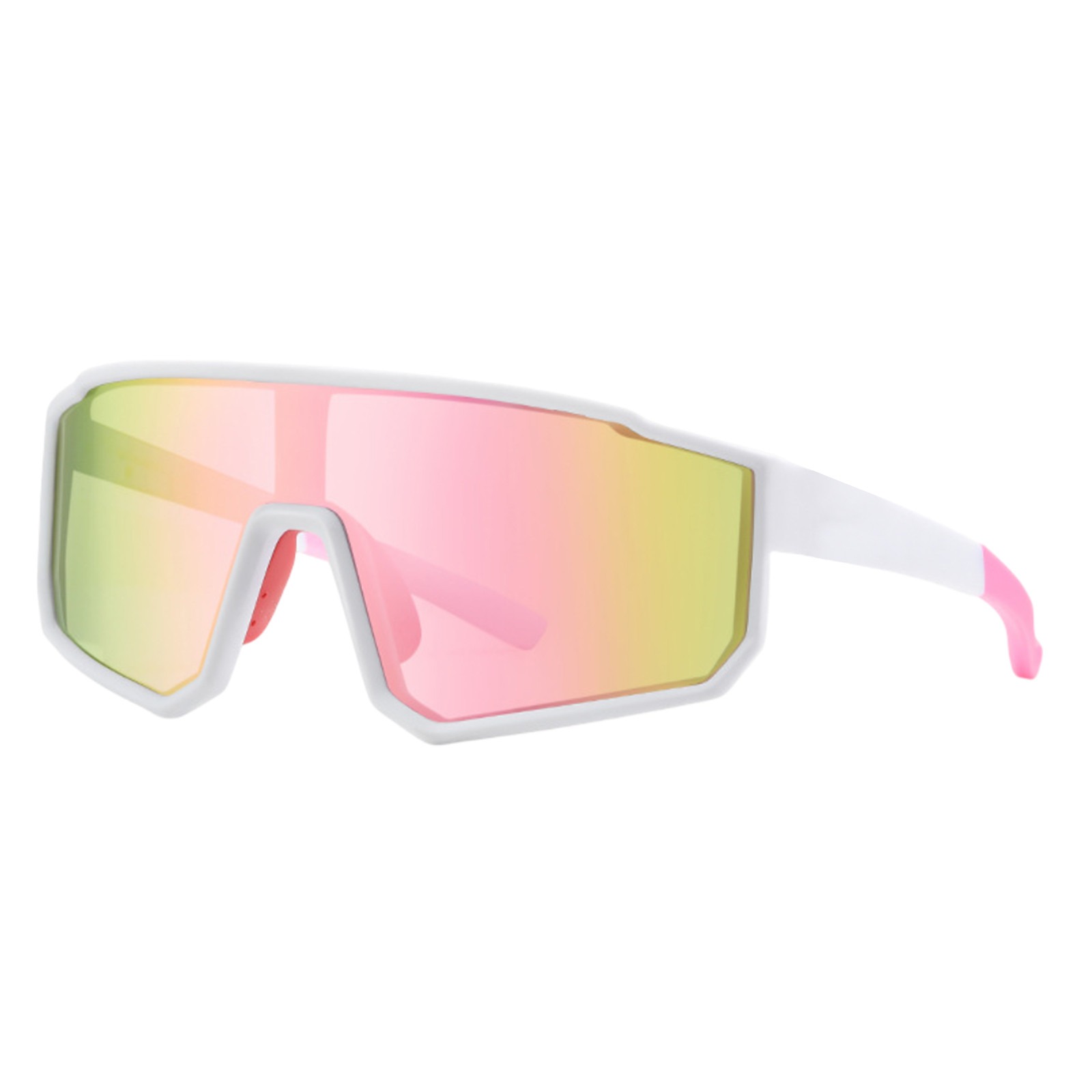 Understanding Ultraviolet (UV) Radiation and Eye Health
How Sunlight Affects Vision Over Time
Ultraviolet light comes in three types: UVA, UVB, and UVC. UVC is mostly blocked by the ozone layer. However, UVA and UVB reach the earth’s surface daily.
UVA rays penetrate deep into the eye. They affect the retina and may contribute to long-term vision loss. Even on cloudy days, these rays remain active.
UVB rays are stronger but less penetrating. They impact the cornea and lens. Prolonged exposure links to cataracts and growths like pterygium.
Children are especially vulnerable. Their lenses are clearer than adults’. More UV reaches the retina. Early protection is essential.
Cumulative exposure matters. Damage builds slowly. Symptoms may not appear until years later. Prevention starts now.
Reflection increases risk. Water, sand, snow, and pavement bounce UV back. This doubles your exposure.
High altitudes raise UV intensity. Every 1,000 feet increases radiation by 10%. Mountain travelers need strong protection.
Wearing sunglasses that have uv protection reduces these dangers. It’s not optional—it’s preventive healthcare.
Eye doctors recommend daily use. Just like sunscreen, it should be part of your routine.
Protecting your eyes today prevents problems tomorrow. Prevention beats treatment.
What to Look for When Buying UV-Protected Sunglasses
Labels, Standards, and Trusted Features
Always check the label before purchasing. Look for “100% UV protection” or “UV400.” These mean the lenses block all light up to 400 nanometers.
Avoid vague terms like “sun protective” or “blocks some UV.” These claims lack standards. Real protection must be specific.
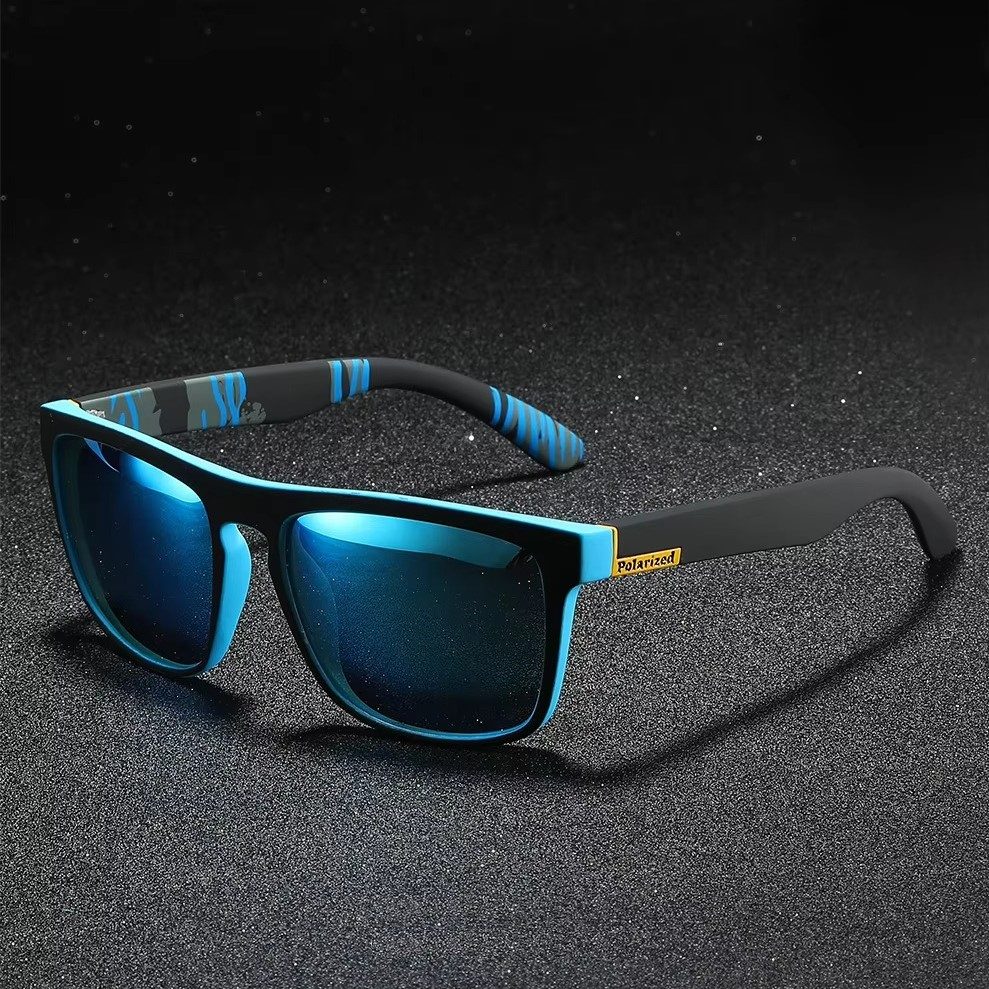
Polarized lenses reduce glare. They improve clarity during driving or water sports. However, polarization does not equal UV protection. Always confirm both.
Lens color doesn’t determine UV blocking. Dark lenses without UV filters are dangerous. They cause pupils to dilate, letting in more UV.
Wraparound styles cover more area. They block side-angle rays. Ears and temples stay protected too.
Fit matters as much as function. Gaps let sunlight through. Choose snug frames that follow face contours.
Buy from reputable brands. Independent labs test their products. Certification ensures reliability.
Cost doesn’t always reflect quality. Some affordable models meet safety standards. Others charge extra for branding.
Try them on first. Check visibility and comfort. Distorted vision means poor optics.
Knowing what to look for keeps you safe. Not all sunglasses have uv protection—only the right ones do.
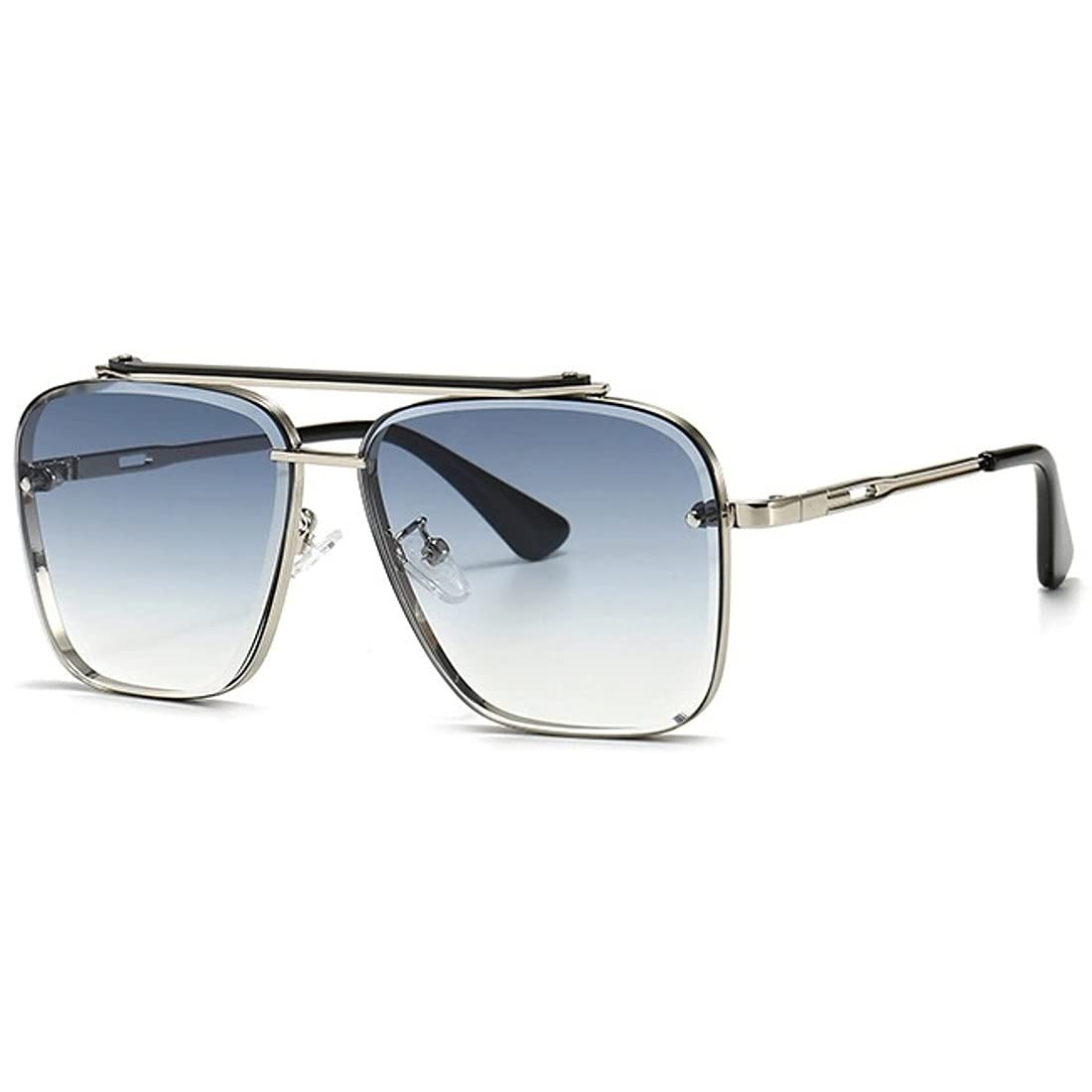 The Difference Between Polarized and UV-Protected Lenses
Clearing Up Common Confusion
Many people think polarized means UV protection. This is false. Polarization and UV blocking are separate features.
Polarized lenses filter horizontal glare. Light bouncing off roads, lakes, or car hoods becomes blinding. Polarization cancels this out.
They improve contrast and visual comfort. Driving, fishing, and skiing benefit greatly. Reduced squinting helps avoid eye strain.
However, polarization does nothing against UV rays. A lens can be polarized without blocking UV. Or it can block UV without being polarized.
The best lenses offer both. Look for labels that say “polarized + UV400.” This combo delivers full performance.
Test them under bright light. Notice reflections on shiny surfaces. Polarized lenses make them disappear.
UV protection is invisible. You can’t see it working. Only lab tests confirm it. Trust verified products.
Some cheap sunglasses claim both features. Yet they fail third-party testing. Stick to known brands.
You can add UV coating to prescription glasses. Ask your optician. Custom lenses support any frame.
Don’t assume style equals safety. Fashion sunglasses often skip UV protection. Always verify.
Understanding the difference leads to smarter choices. Both features help—but in different ways.
Who Needs UV-Protected Sunglasses Most?
High-Risk Groups and Daily Wearers
Everyone benefits from UV protection. But some groups face higher risks. They should never go without proper eyewear.
Outdoor workers spend hours in direct sun. Farmers, construction crews, and lifeguards need durable, wrap-style sunglasses.
Athletes train in intense conditions. Cyclists, runners, and swimmers face reflected UV. Lightweight, secure fits work best.
Children play outside frequently. Their eyes absorb more UV than adults. Parents should buy kids’ sunglasses with UV400.
Skiers and snowboarders face extreme UV levels. Snow reflects up to 80% of rays. Goggles with UV protection are essential.
Beachgoers sit near reflective surfaces. Sand and water increase exposure. Wide-brimmed hats add extra shade.
People with light-colored eyes are more sensitive. Blue, green, or gray irises allow more light entry. Protection is even more urgent.
Post-cataract surgery patients require strict UV defense. Artificial lenses may not block all UV. Extra care prevents complications.
Pilots and drivers face long hours behind glass. Car windshields block UVB but not UVA. Side windows offer little protection.
Frequent travelers visit high-exposure zones. Deserts, tropics, and mountains demand stronger gear.
No matter age or lifestyle, daily use makes sense. Sunglasses have uv protection for everyone.
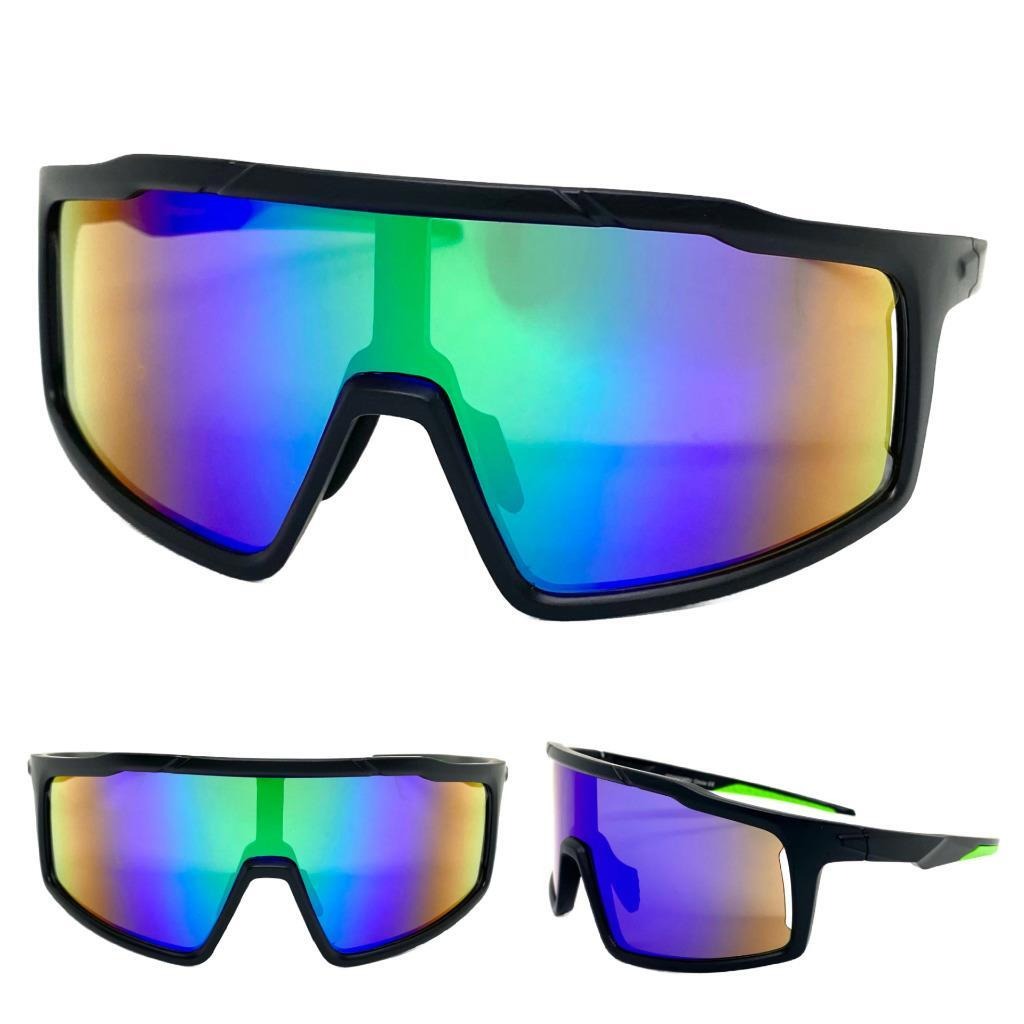 How Lens Color and Tint Affect Performance
Matching Shades to Activities and Conditions
Lens tint changes how you see the world. Each color enhances certain environments. Choose based on your activities.
Gray lenses provide true color perception. They reduce brightness without distorting hues. Ideal for everyday wear.
Brown or amber tints boost contrast. They highlight edges and depth. Great for driving and overcast days.
Green lenses balance sharpness and comfort. They reduce glare while preserving natural tones. Good for golf and tennis.
Yellow and orange shades work in low light. They brighten dim scenes. Perfect for foggy mornings or dusk.
Red and rose tints enhance visual acuity. They improve target focus. Popular among shooters and hunters.
Mirrored coatings reflect light away. They suit bright, snowy, or desert areas. Less light enters the eye.
Gradient lenses are darker at the top. They work well in city settings. Sky glare drops while street view stays clear.
Photochromic lenses adjust to light. They darken in sunlight. Convenient for switching between indoors and outdoors.
Tint affects mood and alertness. Bright colors energize. Muted tones calm. Pick based on your needs.
Color choice supports function. But only if paired with UV protection. Never sacrifice safety for style.
Caring for UV-Protected Sunglasses
Cleaning, Storage, and Longevity Tips
Proper care keeps lenses effective. Dirt and scratches reduce clarity. Clean regularly to maintain performance.
Use a microfiber cloth. Wipe gently in circular motions. Avoid paper towels or clothing. They scratch easily.
Rinse with lukewarm water first. Remove dust and debris. Then apply lens cleaner made for coated optics.
Never use household chemicals. Ammonia, bleach, or window cleaners strip anti-reflective layers. Damage is permanent.
Store in a hard case. Soft pouches offer minimal protection. Cases prevent crushing in bags or pockets.
Avoid leaving sunglasses in hot cars. Heat warps frames. Lenses may delaminate. Extreme temps ruin materials.
Replace scratched lenses. Deep marks distort vision. They also scatter light, increasing glare.
Check nose pads and hinges monthly. Loose screws weaken structure. Tighten with a small screwdriver.
Keep them in a fixed spot at home. Reduce loss or misplacement. Train family members too.
Invest in a strap for active use. Sports models stay secure during movement.
Well-maintained sunglasses last longer. They deliver consistent UV defense. Care extends value.
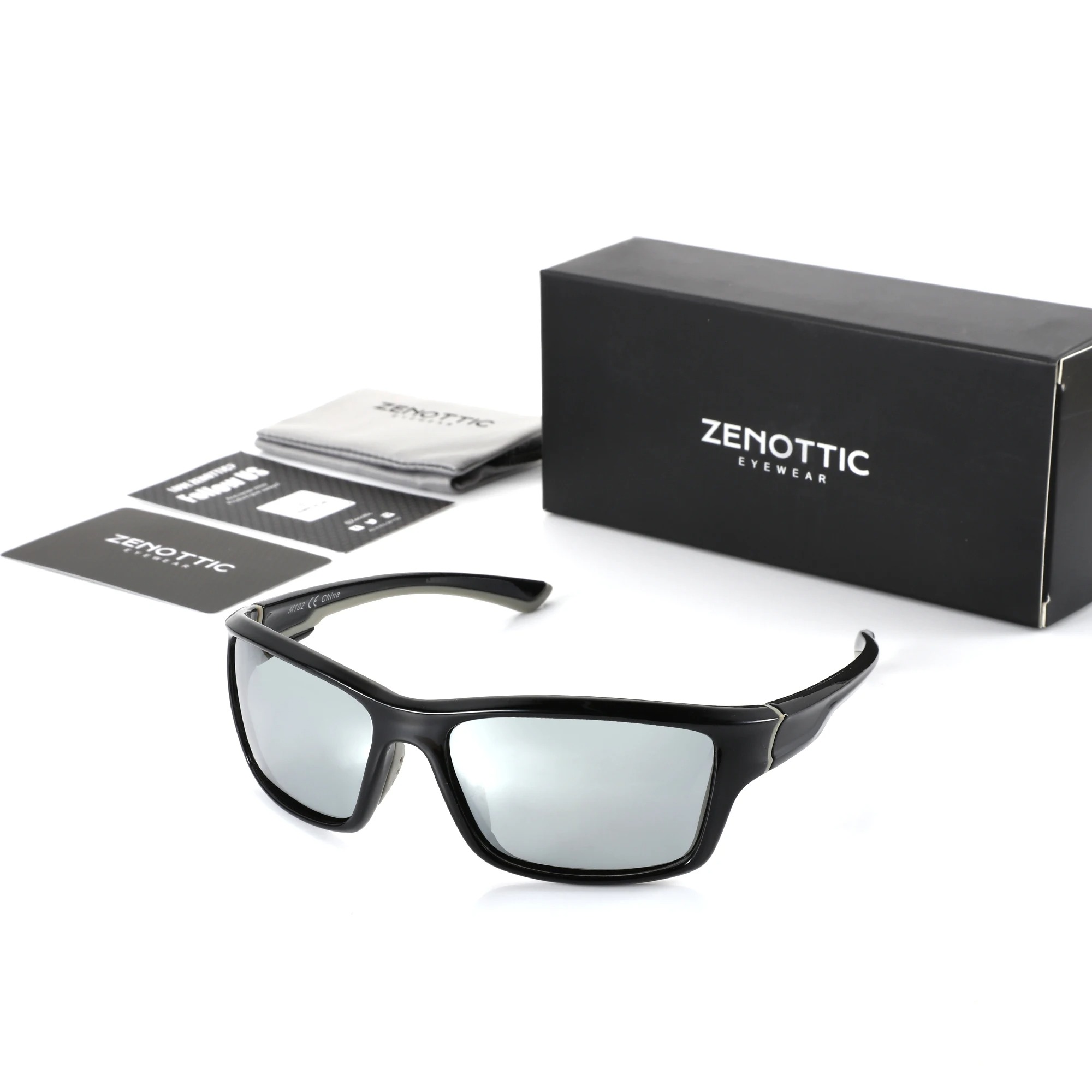 Myths About Sunglasses and UV Protection
Debunking False Beliefs That Put Eyes at Risk
Dark lenses protect better. This is false. Darkness has no link to UV blocking. Always check the label.
Indoors don’t require sunglasses. While rare, some indoor lights emit UV. Museums and grow rooms need caution.
All branded sunglasses are safe. Not true. Some fashion brands skip UV protection. Price does not guarantee safety.
Contact lenses replace sunglasses. Some contacts have UV filters. But they don’t cover whites or eyelids. Glasses are still needed.
Cloudy days don’t need protection. UV penetrates clouds. Up to 80% still reaches the ground. Daily wear is wise.
Kids don’t need sunglasses. Children receive three times more annual UV exposure. Early habits matter.
More expensive means better protection. Not always. Many budget models pass UV400. Focus on certification, not price.
One pair lasts forever. Lenses degrade. Plastic yellows. Coatings wear off. Replace every 2–3 years.
Believing myths leads to harm. Know the facts. Protect your vision wisely.
Frequently Asked Questions
Do cheap sunglasses have UV protection? Some do. Look for “UV400” labels. Avoid unlabeled or decorative pairs.
Can I get UV protection with prescription sunglasses? Yes. Most optical shops add UV coating. Confirm it during ordering.
How can I test my sunglasses at home? You can’t. Lab equipment is needed. Buy from trusted sellers instead.
Are blue light glasses the same as UV protection? No. Blue light comes from screens. UV comes from the sun. Different threats.
Should I wear them year-round? Yes. UV exists in winter. Snow reflection increases exposure. Daily use is best.
Can I wear contact lenses instead? Contacts help. But they don’t cover all eye areas. Sunglasses are still necessary.
Do photochromic lenses block UV? Yes. They offer full UV protection even when clear. Auto-darkening adds convenience.
Can children wear adult-sized sunglasses? No. Frames must fit properly. Kids’ models ensure full coverage and comfort.
 Final Thoughts
Sunglasses have uv protection because your eyes deserve reliable defense. They are not just fashion accessories. They are essential health tools.
From daily walks to mountain hikes, UV exposure happens everywhere. Choosing the right pair prevents long-term damage.
Always verify labels. Ensure 100% UV protection or UV400. Combine with fit, comfort, and activity-specific features.
Whether you’re young or old, active or casual, invest in quality. Your future vision depends on today’s choices.
In conclusion, never assume sunglasses have uv protection—check first. Make informed decisions. Stay safe. See clearly.