
Types of Chain Necklaces: A Complete Guide to Styles, Metals, and How to Choose
Are there specific chain necklace styles that work best with round vs oval faces? When it comes to jewelry, few accessories are as versatile or timeless as necklaces. Among them, the types of chain necklaces stand out for their wide variety in design, strength, and elegance. Whether worn alone or with a pendant, each chain style offers a unique look and feel. From delicate pieces perfect for everyday wear to bold designs that make a statement, understanding the types of chain necklaces helps you choose the right one for your style and needs.
Moreover, different chains suit different occasions. Some drape softly against the skin. Others hold pendants securely. Each type varies in durability, shine, and flexibility. This guide explores popular styles, metal choices, care tips, and how to match chains with your wardrobe.
 Popular Types of Chain Necklaces
Box, Figaro, Cable, and Rope Chains Explained
The box chain is one of the most recognized types of chain necklaces. It features square links connected in a straight line. These links lie flat and reflect light evenly. The result is a sleek, modern appearance. Because of its strength, it supports heavier pendants. Many men prefer this style for its clean lines and durability.
Figaro chains have a repeating pattern of short and long links. Typically, two small links connect to one longer one. This Italian-inspired design adds texture and visual interest. It works well for both casual and formal wear. Most figaro chains come in gold or silver. They pair nicely with religious symbols or name tags.
Cable chains are simple and classic. Round links link together in a single row. This makes them flexible and comfortable. They work with small lockets or birthstone charms. Their neutral look fits any outfit. However, they can kink under pressure. Avoid wearing them during physical activity.
Rope chains twist multiple strands into a spiral. This creates a luxurious, textured effect. They catch light from every angle. Often used in high-end fashion. Due to their weight, they require secure clasps.
Each style brings something different. Consider purpose and preference when choosing.
Delicate and Minimalist Chain Styles
Snake, Wheat, and Curb Variants
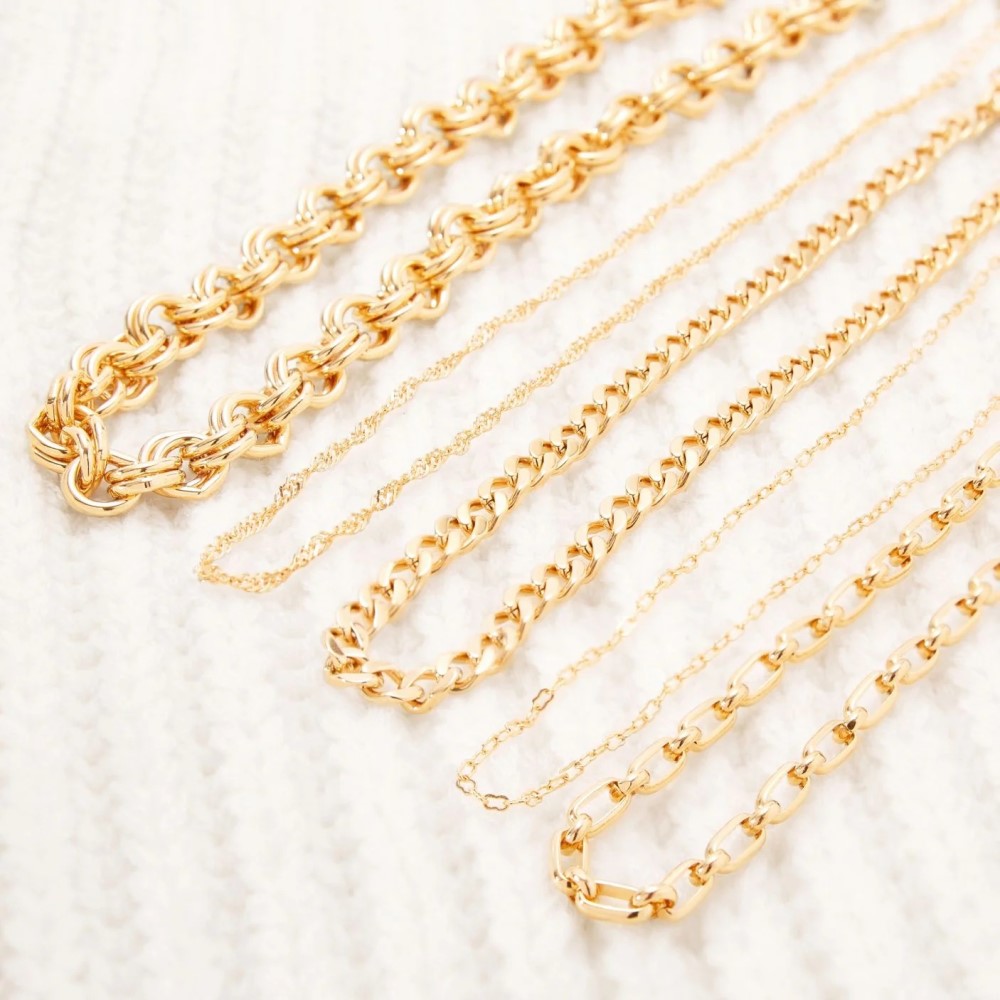
Snake chains resemble smooth reptile skin. They use tightly linked plates that glide over each other. This gives them a fluid, polished look. No visible links mean fewer snags on clothing. They feel cool and silky against the skin. Ideal for layering with other necklaces.
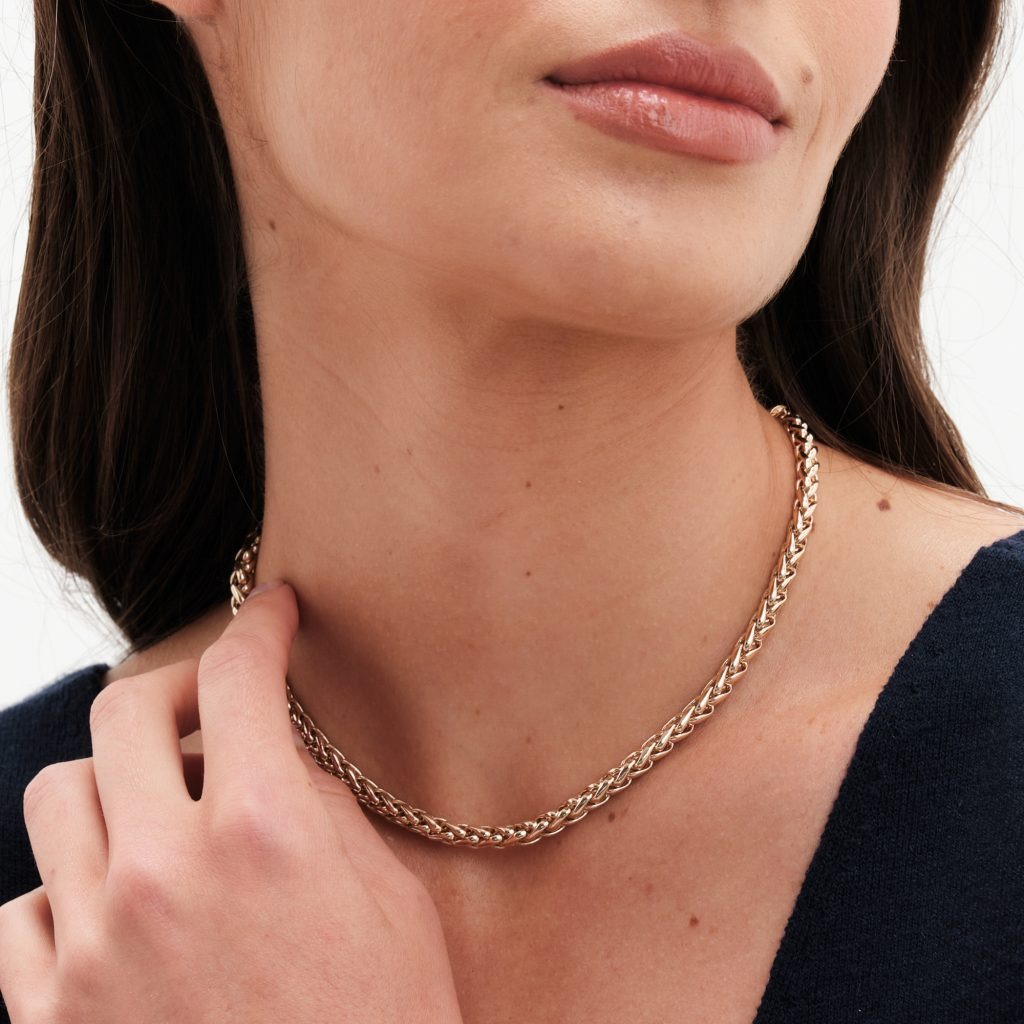
Wheat chains feature interwoven oval links. Each loop twists slightly before connecting. This creates a natural, organic flow. They reflect light beautifully. Their complex structure makes them strong. Yet they remain lightweight. Perfect for pendants with sentimental value.
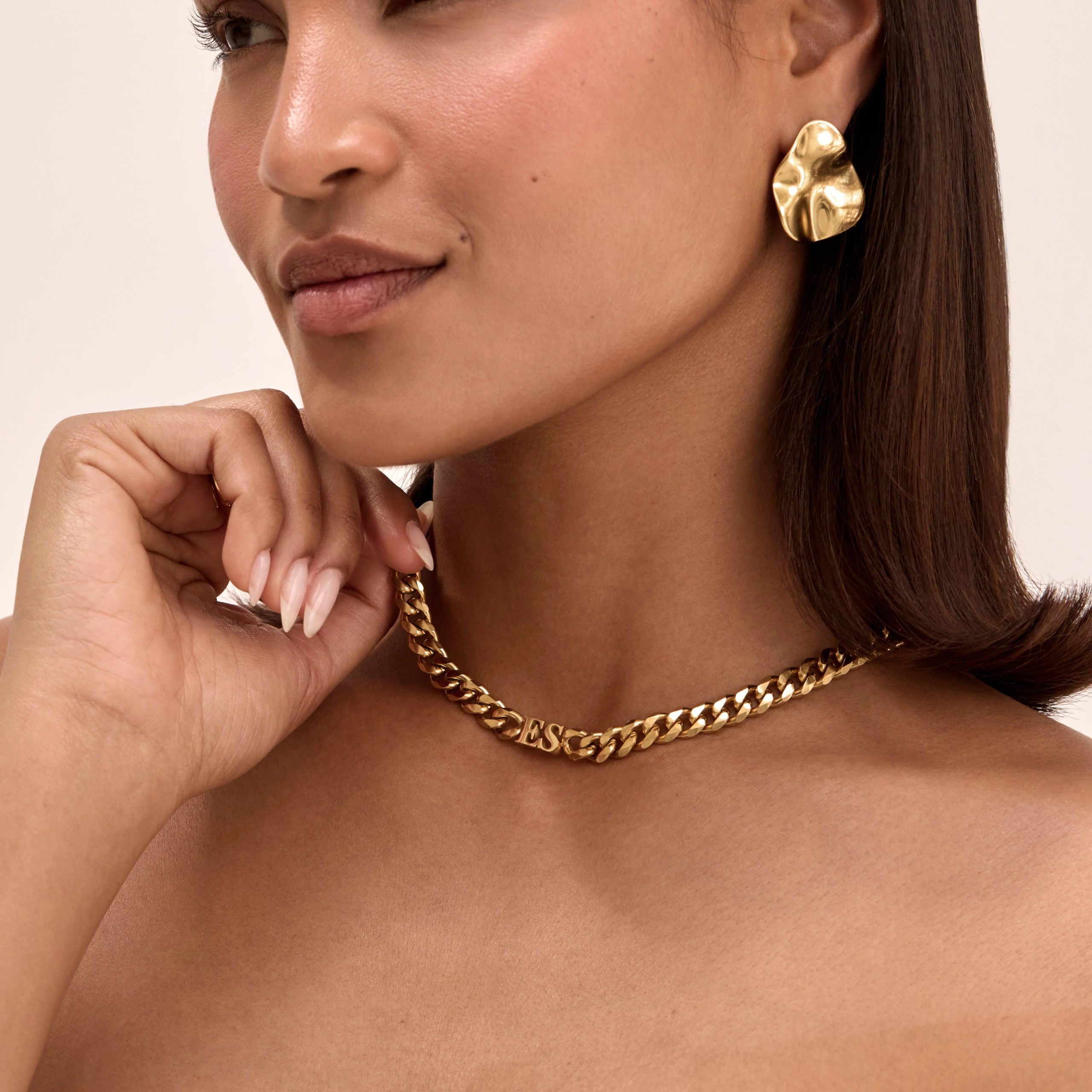
Curb chains lay flat due to flattened, twisted links. These are common in hip-hop fashion. They shine brightly and resist tangling. Most come in yellow, white, or rose gold. Available in various thicknesses. Thin versions suit daily wear. Thick ones serve as bold fashion statements.
These minimalist options appeal to lovers of subtle elegance. They highlight beauty through movement and shine. Wear them solo or stack for depth.
Choose based on comfort and desired impact.
 Strong and Durable Chain Designs
Herringbone, Ball, and Anchor Chains
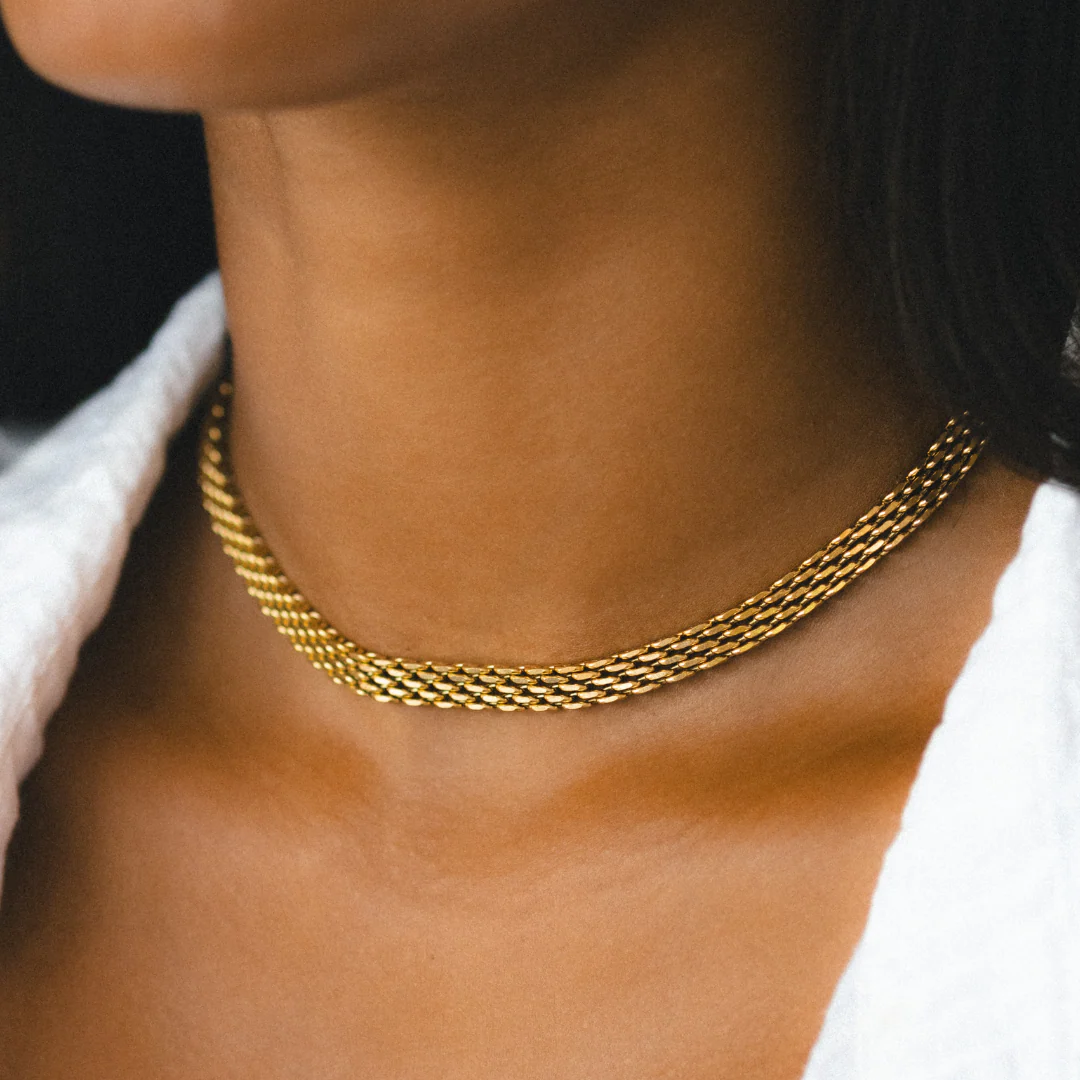
Herringbone chains have thin, flat links set at an angle. They form a V-shaped pattern across the necklace. This design lies flush against the neck. It drapes smoothly without gaps. However, it’s prone to kinking. Once bent, it’s hard to fix. Always store it straight.
Ball chains consist of round metal beads connected by small rings. These create a bumpy, textured surface. Lightweight and affordable. Commonly used in dog tags and cross pendants. Simple to repair if broken. However, they lack flexibility. Not ideal for frequent wear.
Anchor chains mimic boat anchors. Each link includes a bar across the center. This increases strength and stability. They resist stretching and pulling. Popular in nautical-themed jewelry. Often paired with anchor or compass pendants.
These types of chain necklaces suit active lifestyles. They endure daily friction and tension. Choose thicker gauges for added toughness.
Durability matters—especially with heirloom pieces.
Decorative and Fashion-Focused Options
Byzantine, Lotus, and Dragon Chains
Byzantine chains are intricate and elegant. They use four interlocking loops per unit. This creates a coiled, rope-like texture. Highly flexible and eye-catching. Best suited for experienced wearers. Requires careful handling. Tangles easily. Use gentle cleaning methods.
Lotus chains feature flower-shaped links. These open and close like blossoms. They add a romantic, feminine touch. Often used in bridal jewelry. Pair with pearl or moonstone pendants. Ideal for weddings and anniversaries.
Dragon chains have stylized, scaled links. They mimic dragon scales or armor. These project power and mystery. Common in fantasy-inspired collections. Wear with gothic or vintage outfits. Adds drama to any ensemble.
These decorative styles focus on artistry. They turn jewelry into wearable storytelling.
Perfect for gifting or self-expression.
 Choosing the Right Metal for Your Chain
Gold, Silver, Platinum, and Stainless Steel
Gold remains a top choice. Yellow gold offers warmth and tradition. White gold mimics platinum at a lower cost. Rose gold provides a romantic blush tone. Karat ratings matter—14K balances purity and strength. 18K shines brighter but scratches easier.
Sterling silver appeals to budget-conscious buyers. It has a bright, cool luster. Tarnishes over time. Clean regularly with polishing cloths. Avoid water exposure. Store in anti-tarnish bags.
Platinum is dense and hypoallergenic. Resists fading and wear. Heavier than gold. Ideal for sensitive skin. More expensive but lasts generations. Great for engagement gifts.
Stainless steel suits rugged lifestyles. Resists rust, sweat, and impact. Holds polish well. Affordable and low maintenance. Common in men’s fashion. Also used in medical ID bracelets.
Each metal affects look, feel, and price. Match your choice to lifestyle and skin tone.
Matching Chains With Pendants and Outfits
Layering, Clasp Security, and Style Coordination
Layering chains creates depth and personal flair. Combine different lengths. For example, wear a 16-inch cable chain with an 18-inch figaro. Add a 20-inch rope chain for contrast. Mix metals carefully. Stick to two tones max.
Pendant compatibility depends on chain strength. Heavy charms need sturdy links. Lobster clasps offer more security than spring rings. S-hooks work for delicate pieces. Ensure the clasp matches the chain’s gauge.
Match necklines to chain length. Chokers suit crew necks and blouses. Princess-length (18 inches) complements v-necks. Matinee styles (20–24 inches) go well with dresses.
Avoid overcrowding. One or two chains often suffice. Let each piece breathe. Rotate based on occasion.
Confidence grows when accessories enhance, not overwhelm.
 Caring for Your Chain Necklace
Cleaning, Storage, and Preventing Damage
Clean your chain regularly. Soak in warm water with mild soap. Use a soft toothbrush to reach crevices. Rinse thoroughly. Dry with a lint-free cloth. Never air dry on fabric—it may snag.
Store flat in a jewelry box. Use separate compartments. Velvet-lined trays prevent scratches. Hang longer chains to avoid knots. Avoid tossing into drawers.
Remove before swimming or showering. Chlorine and saltwater damage metals. Perfume and lotion erode finishes. Apply cosmetics first. Wait before putting on jewelry.
Inspect clasps monthly. Tighten loose connections early. Replace frayed sections. Professional restringing extends life.
Proper care keeps your types of chain necklaces looking new. It protects sentimental and financial value.
Frequently Asked Questions About Chain Necklaces
Answering Common Buyer Concerns
Can I wear different metals together?
Yes. Mixing gold and silver is stylish. Just keep proportions balanced.
How do I measure chain length?
Use a soft tape around your neck. Or compare with a string and ruler. Standard sizes range from 16 to 24 inches.
Are all chains suitable for pendants?
No. Delicate chains support only lightweight charms. Check manufacturer guidelines.
Do chains stretch over time?
Some do. Link-based styles like cable chains loosen. Stronger weaves resist stretching.
Can I resize my chain?
Yes. Jewelers can shorten or extend. Bring original packaging if possible.
These answers help buyers choose wisely among types of chain necklaces.
Summary
Final Thoughts on Building a Timeless Jewelry Collection
How can I determine the right chain necklace length for my neck size? Understanding the types of chain necklaces empowers you to make confident choices. Each style serves a purpose. Some protect precious pendants. Others express identity. From minimal snake chains to bold figaro links, there’s a perfect match for every taste.
Consider metal, strength, and design. Think about daily habits and special events. Invest in quality. Care for your pieces. Pass them down with pride.
Jewelry tells stories. A well-chosen chain becomes part of yours. Whether worn daily or saved for milestones, it holds meaning. Explore the world of types of chain necklaces—and let your style shine.