
Introduction
A strike in bowling is one of the most satisfying achievements in the game. It occurs when a player knocks down all ten pins with the first ball of a frame. This clean sweep not only delivers instant gratification but also provides significant scoring advantages. Because each strike adds bonus pins from the next two rolls, it can dramatically increase your final score. As a result, learning how to consistently achieve a strike in bowling becomes a top goal for both beginners and seasoned players.
Moreover, a strike in bowling represents more than just points—it reflects timing, accuracy, and confidence. Whether you’re playing casually or competing in a league, landing a strike boosts morale and momentum. The sound of crashing pins, the flashing lights, and the crowd’s reaction all contribute to the excitement. With proper form, equipment choice, and mental focus, anyone can improve their chances of rolling a strike. Therefore, understanding the mechanics behind it helps elevate your overall performance on the lanes.
 Why a Strike in Bowling Is More Than Just Luck
The Role of Skill, Timing, and Precision
While some may believe that a strike in bowling happens by chance, skill plays a much larger role than luck. Successful bowlers rely on repeatable techniques to deliver consistent results. They control their approach, balance, and release with deliberate practice. Over time, muscle memory takes over, making powerful strikes more achievable.
Additionally, targeting the pocket—the space between the 1 and 3 pins for right-handers or 1 and 2 for left-handers—increases strike odds. Hitting this spot causes a chain reaction that maximizes pin scatter. A well-placed ball transfers energy efficiently through the rack. Hence, precision matters far more than raw power.
Footwork forms the foundation of every good shot. A smooth four- or five-step approach keeps rhythm steady. Each step aligns with arm swing and body rotation. Any misstep disrupts timing and reduces accuracy.
The release must match the lane conditions. On dry lanes, less hook may be needed. On oily ones, a strong curve helps the ball recover toward the pocket. Bowlers adjust based on experience and visual feedback.
Mental focus is equally important. Nerves can cause rushed movements or poor decisions. Staying calm under pressure leads to cleaner execution. Many pros use breathing techniques or visualization before throwing.
With training, what looks like luck is actually refined technique. A strike in bowling becomes a repeatable outcome, not an accident.
How Scoring Works When You Get a Strike in Bowling
Understanding Bonus Pins and Frame Advantages
Scoring in bowling changes significantly when you roll a strike in bowling. Unlike open frames, where you simply add the number of pins knocked down, a strike earns extra points. These come from the next two balls rolled, no matter which frame they occur in.
For example, if you throw a strike in the first frame, you won’t know your full score until after the second frame. Suppose your next two rolls are seven and two. Your total for the first frame becomes 19 (10 + 7 + 2). This bonus system rewards consistency and high performance.
In contrast, a spare gives credit for the next single roll. A strike offers twice the opportunity for added points. This makes it the most valuable play in the game. Skilled bowlers aim for multiple strikes in a row to build “double” or “triple” bonuses.
The tenth frame has special rules. If you roll a strike, you get two extra balls to complete the bonus. This allows for a perfect game of 300—ten strikes in a row, including the two bonus throws.
Because of these scoring benefits, even one strike per game can lift your average. League standings often separate players by just a few points. A single strike might be the difference between winning and losing.
Understanding scoring helps you appreciate the long-term value of each strike. It’s not just about the moment—it’s about future gains too.
 Best Techniques to Increase Your Chances of a Strike in Bowling
Perfecting Your Stance, Swing, and Follow-Through
Achieving a strike in bowling starts with a solid stance. Stand at the back of the approach with feet shoulder-width apart. Keep your knees slightly bent and your back straight. This balanced position prepares you for a controlled move forward.
Next, focus on your grip. Hold the ball comfortably without squeezing too hard. Tension in the hand affects release quality. Let the fingers guide the ball off smoothly during delivery.
Your swing should be natural and pendulum-like. Start the ball moving as you begin your steps. Coordinate the backswing with your footwork. Avoid lifting the ball overhead—it should stay close to your body.
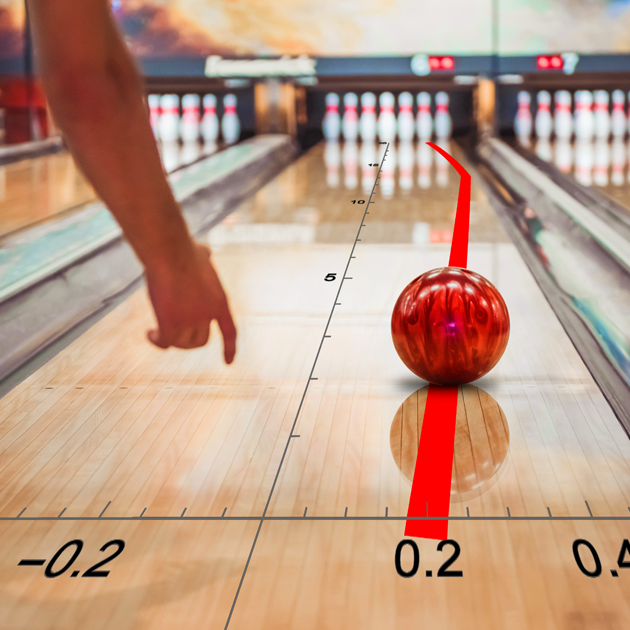
As you reach the foul line, shift your weight forward. Rotate your shoulders slightly to create spin or hook. Release the ball cleanly, letting it roll off your fingertips. A proper follow-through extends your arm toward the target.
Practice alignment using the arrows on the lane. Most bowlers aim between the second and fourth arrow for pocket hits. Adjust based on how the ball reacts down the lane.
Rev rate—the amount of spin—affects ball motion. Higher revs generate more hook, especially on oily lanes. Work with a coach to find your ideal rotation speed.
Finally, maintain consistency. Record videos of your form. Compare them weekly to track progress. Small improvements compound into more strikes over time.
Choosing the Right Bowling Ball to Maximize Strike Potential
Matching Ball Weight, Core Design, and Coverstock to Lane Conditions
Selecting the correct bowling ball greatly impacts your ability to achieve a strike in bowling. Start with weight. Most adults use 14 to 16 pounds. Choose the heaviest ball you can control comfortably. Heavier balls carry more power into the pins.
Next, consider the core—the inner part of the ball. Symmetrical cores offer smooth, predictable motion. Asymmetrical ones create sharper hooks and stronger backend reactions. Advanced players often prefer asymmetrical designs for aggressive lane play.
The coverstock—the outer layer—determines how the ball interacts with the lane. Plastic balls are best for straight shots and spare pickups. Urethane covers provide light hook and durability. Reactive resin generates the strongest friction and hook potential. Use reactive balls when chasing strikes on medium to heavy oil patterns.
Surface texture also matters. Polished finishes skid longer before hooking. Sanded or matte finishes grab the lane earlier. Bowlers change surface prep based on oil breakdown throughout a session.
Finger hole fit is essential. Ill-fitting holes reduce control and increase injury risk. Visit a pro shop for custom drilling based on hand size and style.
Rotate multiple balls if possible. Carry a spare ball for dry lanes and another for oily ones. Adapting to lane changes keeps your strike rate high.
With the right equipment, every element of your game works together.
 Common Mistakes
Errors in Form, Aim, and Equipment Use
Even experienced bowlers make mistakes that block a strike in bowling. One common issue is rushing the approach. Moving too fast disrupts balance and timing. Instead, focus on rhythm and synchronization between steps and swing.
Another error is dropping the shoulder during release. This causes the ball to veer off target. Keep both shoulders level as you follow through.
Misalignment leads to repeated misses. Aiming directly at the headpin rarely results in a strike. Always target the pocket, not the center. Use the arrows or dots on the lane as guides.
Using the wrong ball for lane conditions kills hook potential. A plastic ball on an oily lane won’t curve enough. A highly reactive ball on dry lanes may hook too early. Match your gear to the environment.
Gripping the ball too tightly creates tension. This limits wrist action and produces weak releases. Hold it firmly but relaxed.
Overcompensating after a bad shot leads to inconsistency. Stick to your routine instead of forcing adjustments. Trust your training.
Neglecting lane transitions is another mistake. Oil patterns break down over time. What worked in the first game may fail later. Watch how other bowlers adjust and respond accordingly.
Fixing these errors increases your strike frequency. Awareness is the first step toward improvement.
 Frequently Asked Questions
What is the easiest way to get a strike?
Aim for the pocket using the second arrow from the right (for right-handers). Combine a smooth approach with a clean release. Practice regularly to build consistency.
Do I need a special ball to get a strike?
Not necessarily. But reactive resin balls with proper hook potential increase your odds. Make sure it fits your hand and matches lane oil levels.
Can beginners get a strike in bowling?
Yes. Even new players land strikes with good form and alignment. Focus on balance, timing, and aiming for the pocket.
How many strikes do I need for a good score?
Just one or two per game can boost your average. Three or more significantly improve your total. Consistency beats perfection.
Does speed affect my strike chance?
Yes. Too fast reduces hook; too slow loses power. Find a comfortable tempo that supports your style.
Should I always try for a strike?
No. After a split or difficult shot, pick up spares instead. Smart play wins games, not just flashy strikes.
 Final Thoughts
Rolling a strike in bowling is one of the most rewarding experiences in the sport. It combines physical skill, strategic thinking, and mental discipline. While exciting, it’s not out of reach for dedicated players. With proper technique, the right equipment, and consistent practice, anyone can improve their strike rate.
In conclusion, mastering the strike in bowling enhances both enjoyment and competitiveness. It raises scores, builds confidence, and energizes teammates. Whether you’re bowling solo or in a league, each strike marks progress. And as you refine your form and adapt to changing lanes, those moments of success become more frequent. Ultimately, the journey to more strikes is about growth—one frame at a time.